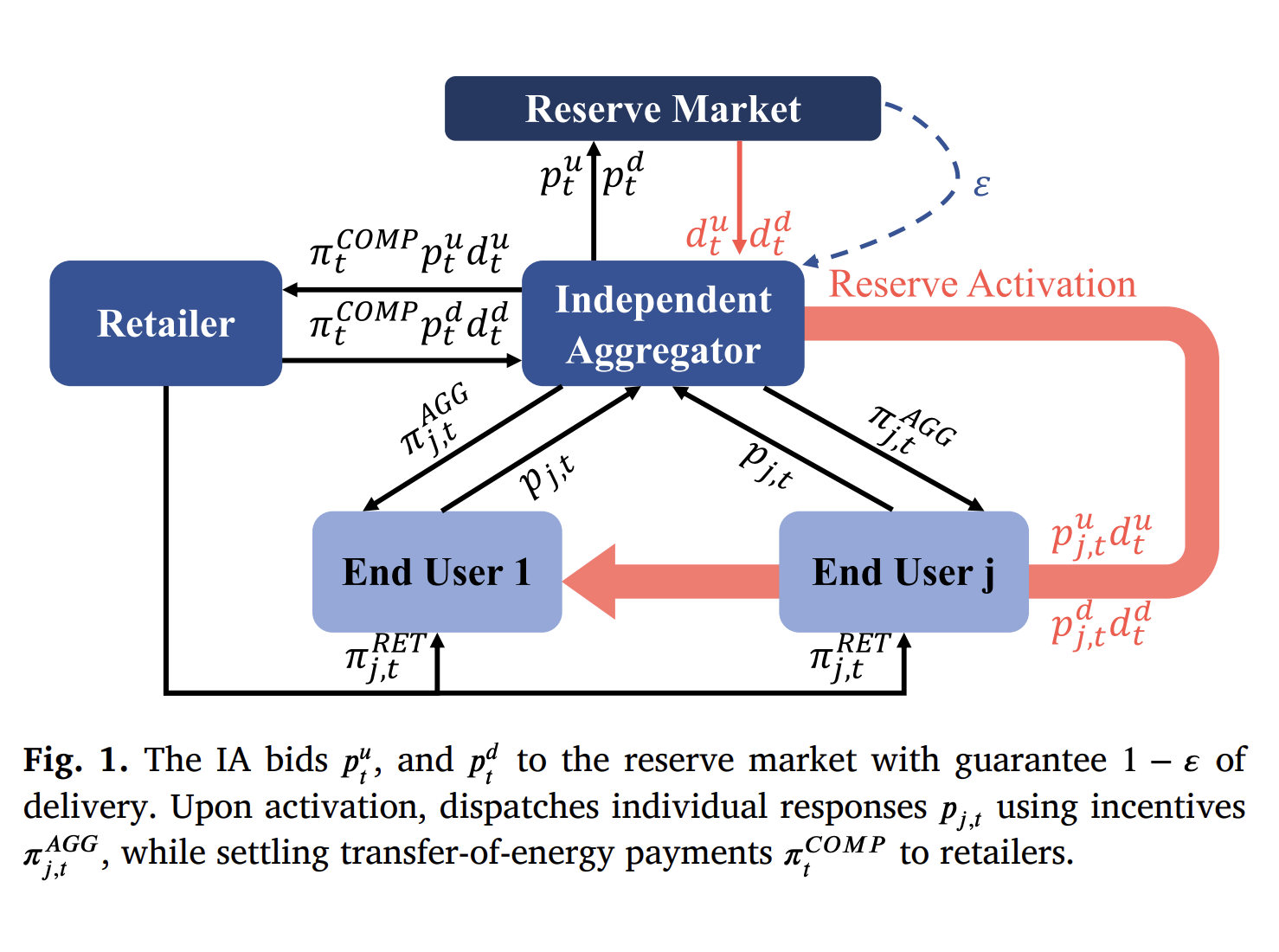
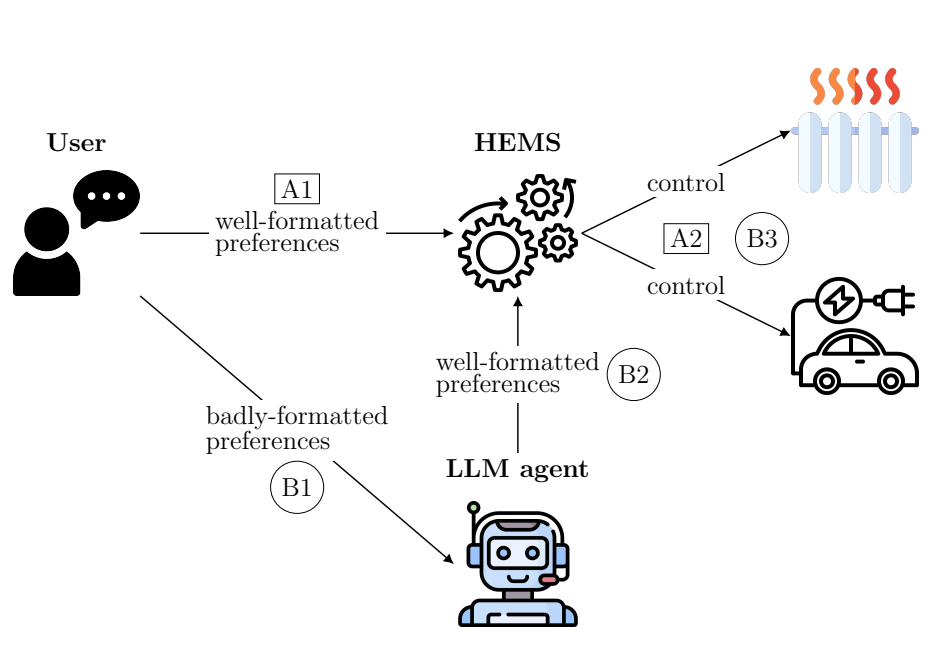
Independent aggregators (IAs) are increasingly entering the market, enabling flexibility from individual end users to support power grid operations. While grid operators recognize the value of this flexibility, they also require reliable delivery due to its inherent uncertainty (weather, human behaviors). A key challenge for IAs is how to guarantee flexibility provision to the grid by designing proper incentives for end users with different flexibility magnitude–reliability performances. To tackle this challenge, we propose a scalable bilevel optimization framework with lower-level joint chance constraints. The approach builds on our previously developed FICA method, allowing reliable flexibility delivery while remaining computationally scalable.
Multiscale Grid Intelligence to Fight AI Data Centre Grid Defection: Unlocking a Faster, Cheaper and Cleaner On-Grid AI Rollout
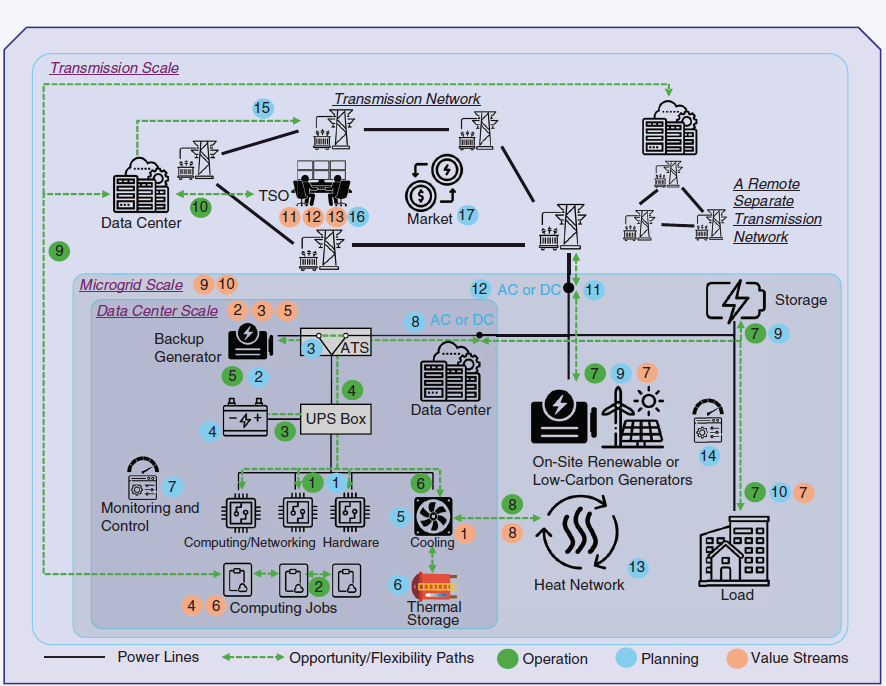
Data centres are the real-world foundation for AGI. However the increasing scale makes the coupling with power systems non-trivial. This article discusses how multiscale grid intelligence can help fight AI data centre grid defection, unlocking a faster, cheaper and cleaner on-grid AI rollout.
2025
FICA: Faster Inner Convex Approximation of Chance Constrained Grid Dispatch with Decision-Coupled Uncertainty
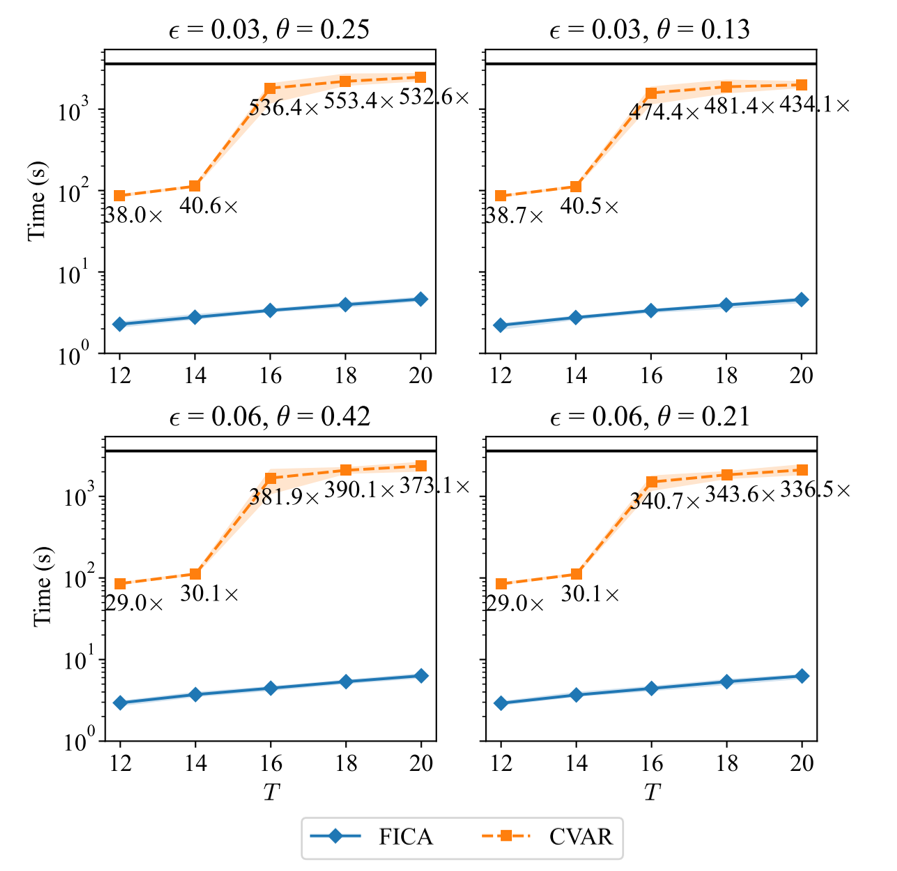
This paper proposes a Faster Inner Convex Approximation (FICA) method for solving power system dispatch problems with Wasserstein distributionally robust joint chance constraints (WJCC) and incorporating the modelling of the automatic generation control factors. The problem studied belongs to the computationally challenging class of WJCC with left-hand-side uncertainty (LHS-WJCC). By exploiting the special one-dimensional structure (even if only partially present) of the problem, the proposed FICA incorporates a set of strong valid inequalities to accelerate the solution process. We prove that FICA achieves the same optimality as the well-known conditional value-at-risk (CVaR) inner convex approximation method. Our numerical experiments demonstrate that the proposed FICA can yield 40x computational speedup compared to CVaR, and can even reach up to 500x speedup when the optimisation horizon exceeds 16 time steps.
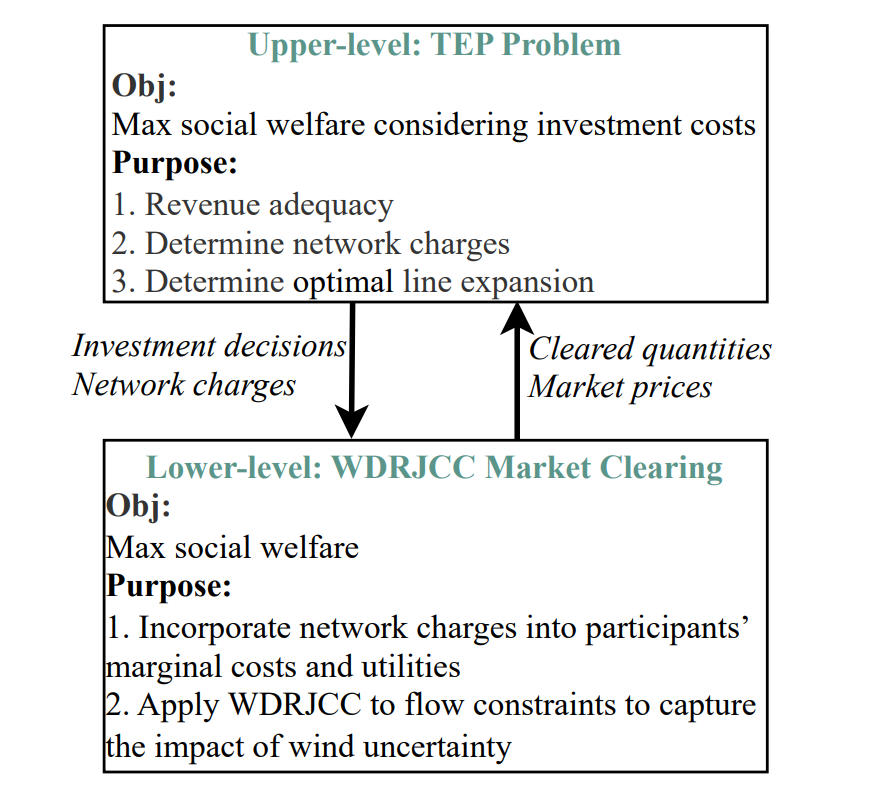
Bilevel Transmission Expansion Planning with Joint Chance-Constrained Dispatch
Yuxin Xia, Yihong Zhou, Iacopo Savelli, and 1 more author
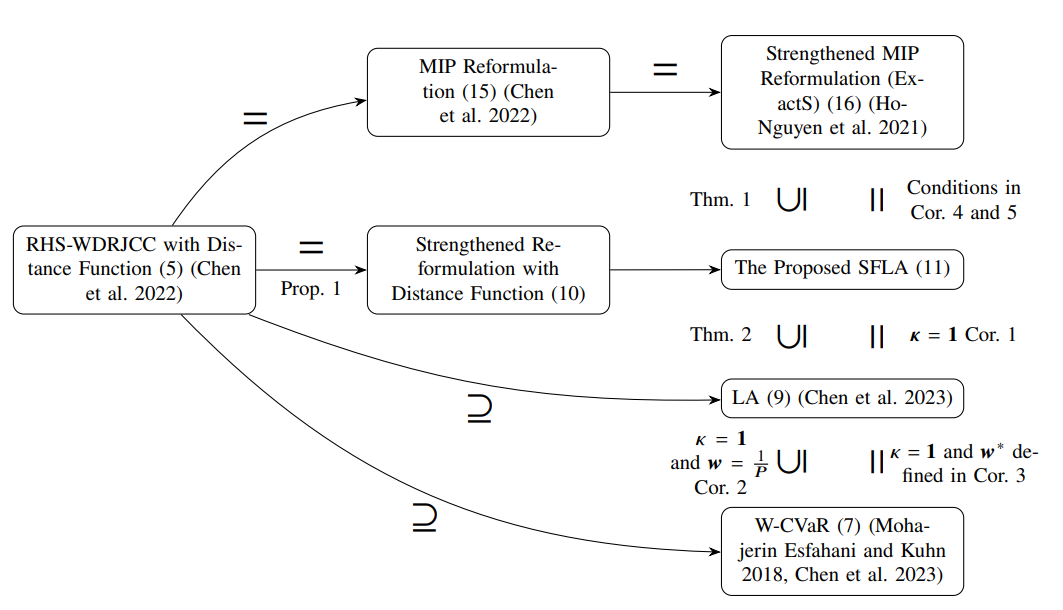
Many real-world decision-making problems in energy systems, transportation, and finance have uncertain parameters in their constraints. Wasserstein distributionally robust joint chance constraints (WDRJCC) offer a promising solution by explicitly guaranteeing the probability of the simultaneous satisfaction of multiple constraints. WDRJCC are computationally demanding, and although manageable for small problems, practical applications often demand more tractable approaches – especially for large-scale and complex problems, such as power system unit commitment problems and multilevel problems with chance-constrained lower levels. To address this, this paper proposes a novel inner-approximation for a specific type of WDRJCC, namely WDRJCC with right-hand-side uncertainties (RHS-WDRJCC). We propose a Strengthened and Faster Linear Approximation (SFLA) by strengthening an existing convex inner-approximation that is equivalent to the worst-case conditional value-at-risk (CVaR) method under specific hyperparameters. We prove that the proposed SFLA does not introduce additional conservativeness and can even lead to less conservativeness. Numerical experiments demonstrate a up to 100x computational speedup compared to CVaR, while achieving the same optimality.
2024
Evaluating the social benefits and network costs of heat pumps as an energy crisis intervention
Yihong Zhou, Chaimaa Essayeh, Sarah Darby, and 1 more author
Fuel poverty, a pressing issue affecting social prosperity, has been exacerbated during the energy crisis triggered by the Russia-Ukraine conflict. This problem can be more severe for off-gas regions. Our study investigates heat pumps (HPs) as a cost-effective alternative to off-gas heating to alleviate fuel poverty in England and Scotland. We analyze regional fuel poverty rates and the associated greenhouse gas emission reduction by replacing all off-gas heating with HPs, observing positive effects under pre-crisis and crisis conditions, with existing government support for HP upfront costs. HP rollout can burden distribution networks especially for certain regions, but our correlation analysis shows that high benefits do not always come with network costs at the regional level, and we identify “priority” regions with low costs and high benefits. These findings provide valuable insights for policymakers to address fuel poverty and reach decarbonization. The methodology is adaptable to other countries with appropriate datasets.
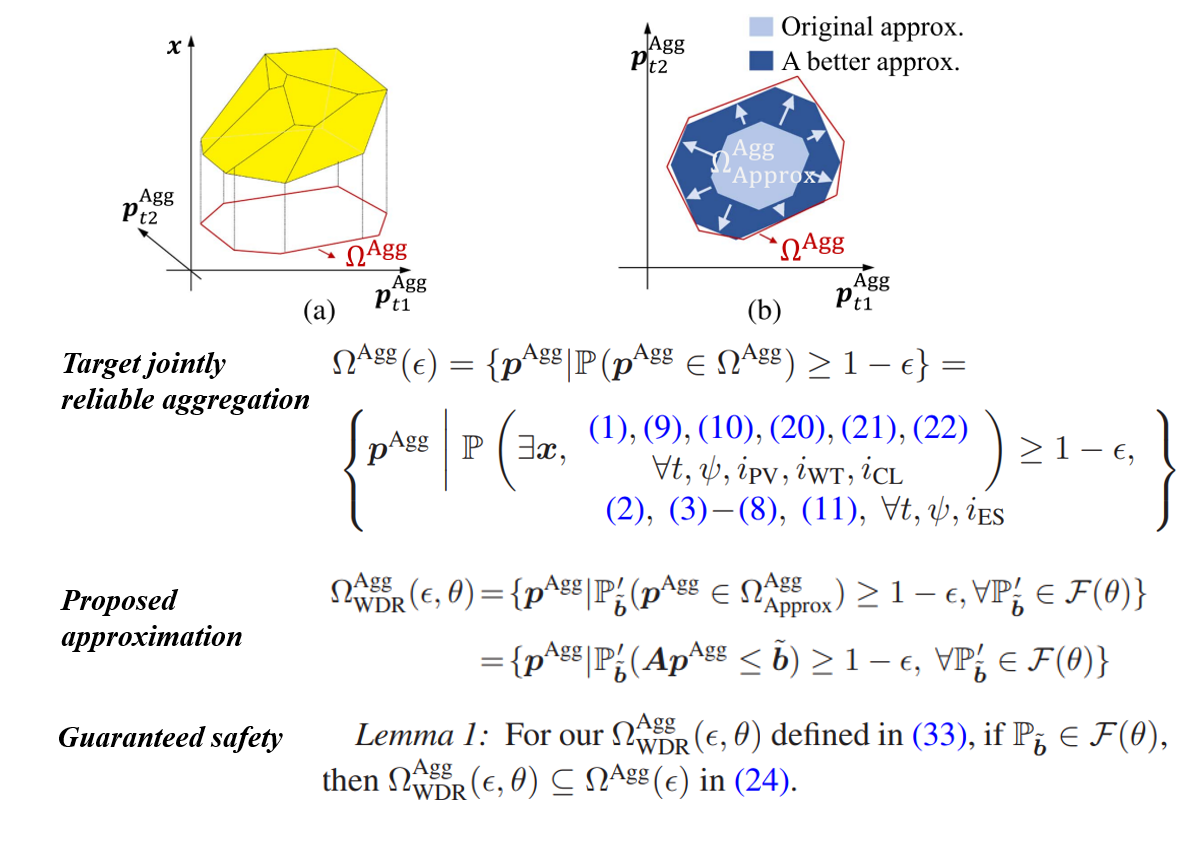
Aggregated feasible active power region for distributed energy resources with a distributionally robust joint probabilistic guarantee
Aggregation is a scalable hierachical dispatch regime for using the flexibility of millions of grid-edge devices, such as electric vehicles, heat pumps, and distributed renewables (reactive power controllable). To use the flexibility in a reliable way, a joint chance constraint (JCC) is important to ensure the flexibility delivery with a high probability. However, existing deterministic aggregation is already chanllening. This paper proposes a smart method to incorperate a two-stage JCC into the aggregation process. Rather than formulating the JCC on the original device level, the JCC is formulated on the approximated aggregation level, which makes the overall aggregation have the same order of computational complexity as the deterministic aggregation.
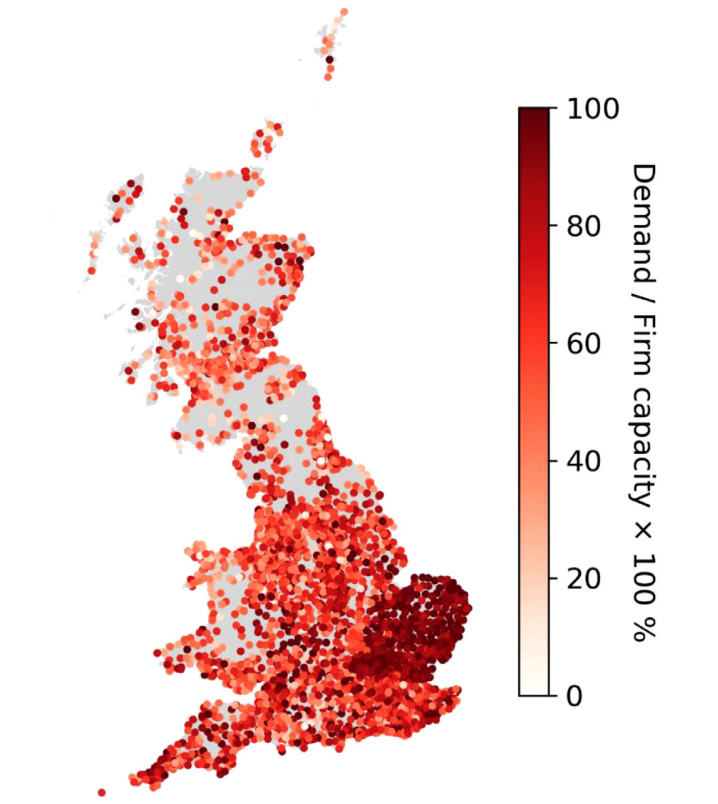
Datasets of Great Britain primary substations integrated with household heating information
This paper introduces two datasets. The first is the main dataset for the GB distribution networks, collecting information on firm capacity, peak demands, locations, and parent transmission nodes (grid supply points, namely GSPs) for all primary substations (PSs). PSs are a crucial part of UK distribution networks and are at the lowest voltage level (11 kV) with publicly available data. Substation firm capacity and peak demand facilitate an understanding of the remaining room in the existing network. The parent GSP information helps link the released datasets to transmission networks. The second dataset extends the main network dataset, linking each PS to the number of households that use different types of central heating recorded in census data (Census in year 2021 for England and Wales, and Census 2011 for Scotland as the up-to-date Census 2022 data is not fully released).
A novel surrogate polytope method for day-ahead virtual power plant scheduling with joint probabilistic constraints
Yihong Zhou, Chaimaa Essayeh, and Thomas Morstyn
Electric Power Systems Research, 2024
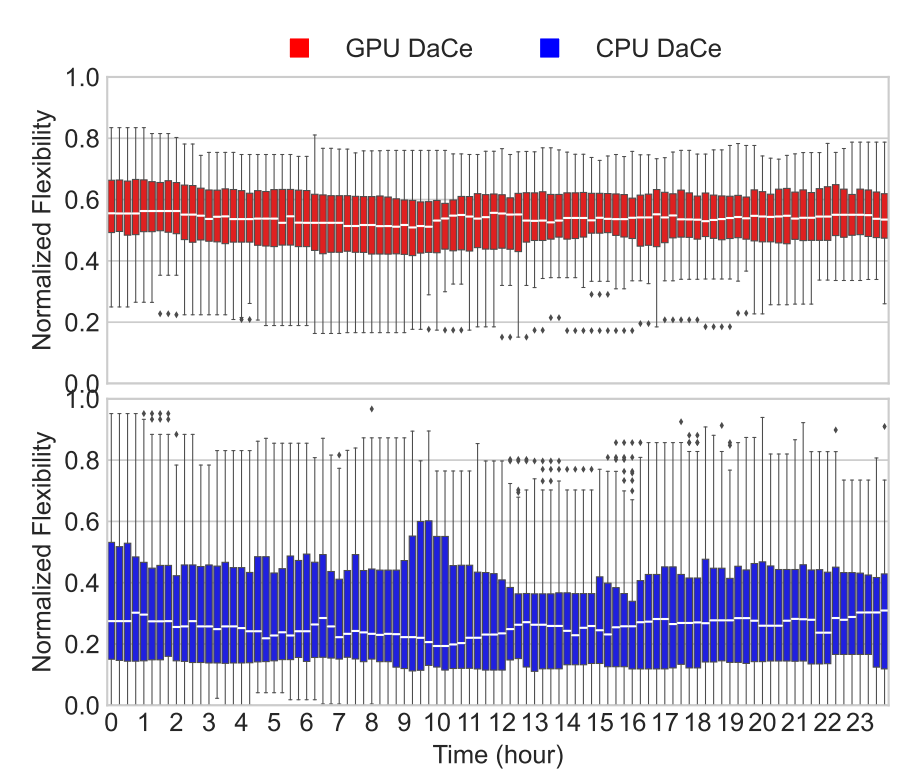
Evaluating and Comparing the Potentials in Primary Response for GPU and CPU Data Centers
Yihong Zhou, Ángel Paredes, Chaimaa Essayeh, and 1 more author
In 2024 IEEE Power & Energy Society General Meeting (PESGM), 2024
A preliminary investigation for the paper “AI-focused HPC data centers can provide more power grid flexibility and at lower cost”, which has some nice plots in a different style.
AI-focused HPC data centers can provide more power grid flexibility and at lower cost
Yihong Zhou, Angel Paredes, Chaimaa Essayeh, and 1 more author
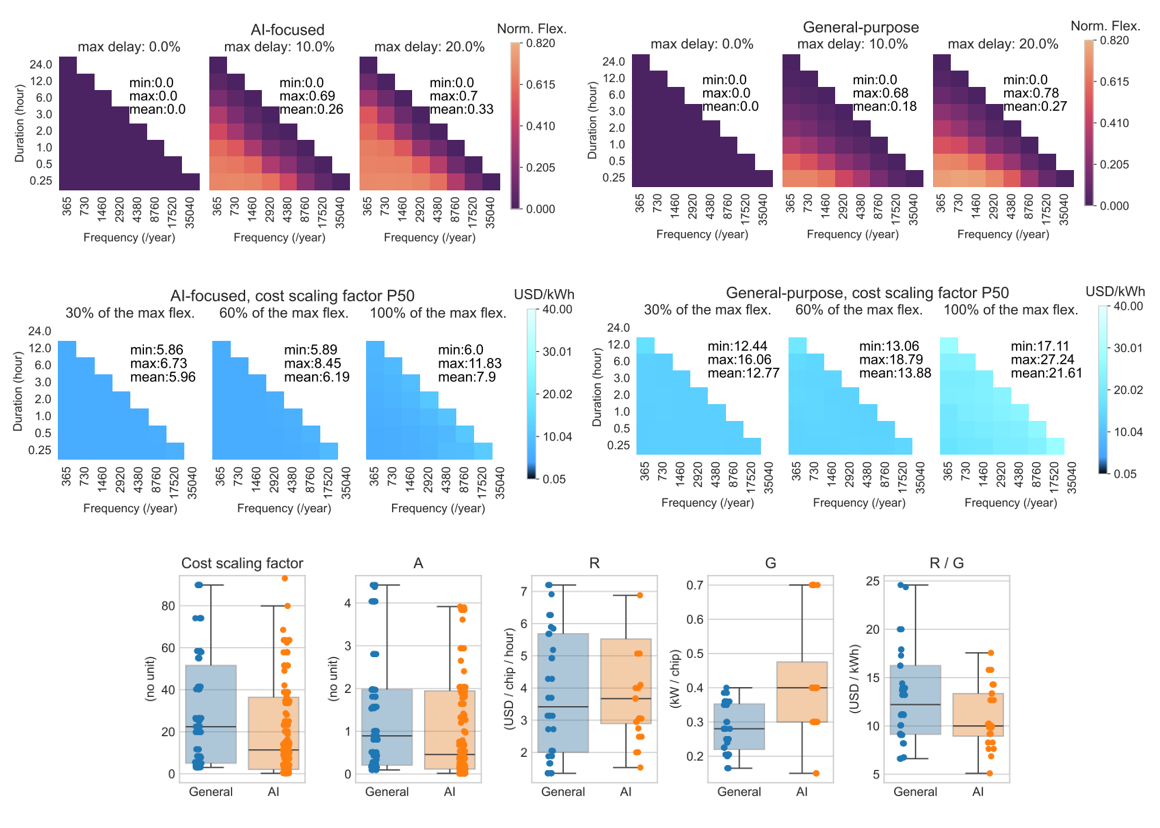
The recent growth of Artificial Intelligence (AI), particularly large language models, requires energy-demanding high-performance computing (HPC) data centers, which poses a significant burden on power system capacity. Scheduling data center computing jobs to manage power demand can alleviate network stress with minimal infrastructure investment and contribute to fast time-scale power system balancing. This study, for the first time, comprehensively analyzes the capability and cost of grid flexibility provision by GPU-heavy AI-focused HPC data centers, along with a comparison with CPU-heavy general-purpose HPC data centers traditionally used for scientific computing. A data center flexibility cost model is proposed that accounts for the value of computing. Using real-world computing traces from 7 AI-focused HPC data centers and 7 general-purpose HPC data centers, along with computing prices from 3 cloud platforms, we find that AI-focused HPC data centers can offer greater flexibility at 50% lower cost compared to general-purpose HPC data centers for a range of power system services. By comparing the cost to flexibility market prices, we illustrate the financial profitability of flexibility provision for AI-focused HPC data centers.
Exploiting Data Centres and Local Energy Communities Synergies for Market Participation
Ángel Paredes, Yihong Zhou, Chaimaa Essayeh, and 2 more authors
In 2024 IEEE PES Innovative Smart Grid Technologies Europe (ISGT EUROPE), 2024
2023
Assessment of options for a smart, resilient and low-carbon multi-vector energy system in the Scottish Borders
Yihong Zhou, John Low, Andrew Lyden, and 4 more authors
Load forecasting is important in power system decision-making. Recently more and more people are using deep learning models for load forecasting. As we know that deep image classification models are vulnerable to adversarial attacks, e.g., a small perturbation makes the model to misclassify a panda as gibbon. This fragility is the same for load forecasting and is illustrated in this paper for the first time. We further prove that Bayesian learning can help mitigate this vulnerability in an ideal condition, and numerically validated that this can hold in general conditions.
2021
LSTM-based energy management for electric vehicle charging in commercial-building prosumers
Huayanran Zhou, Yihong Zhou, Junjie Hu, and 4 more authors
Journal of Modern Power Systems and Clean Energy, 2021
 Bilevel Transmission Expansion Planning with Joint Chance-Constrained DispatcharXiv preprint arXiv:2505.11273, Sep 2025
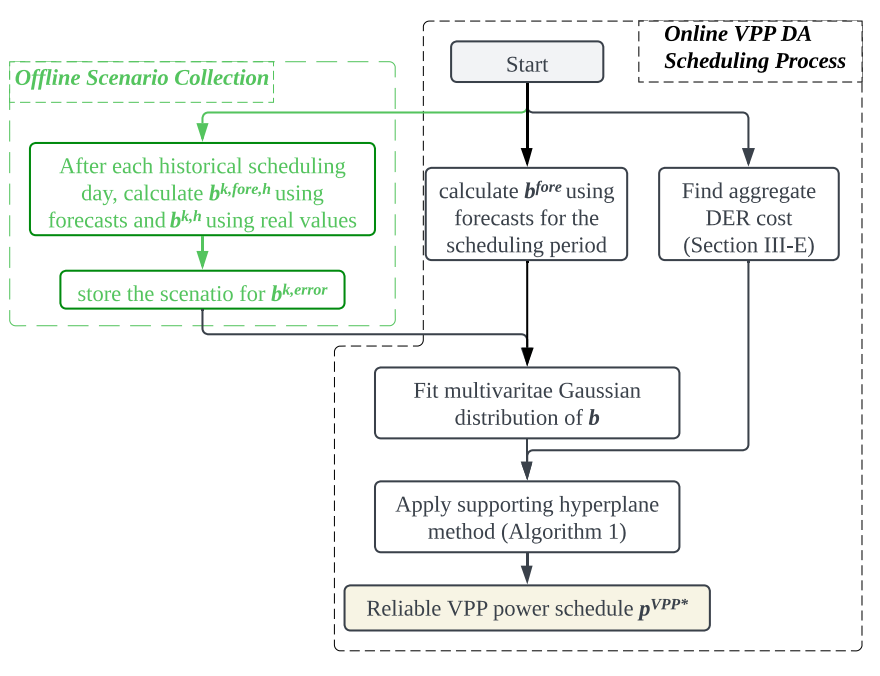 A novel surrogate polytope method for day-ahead virtual power plant scheduling with joint probabilistic constraintsElectric Power Systems Research, 2024
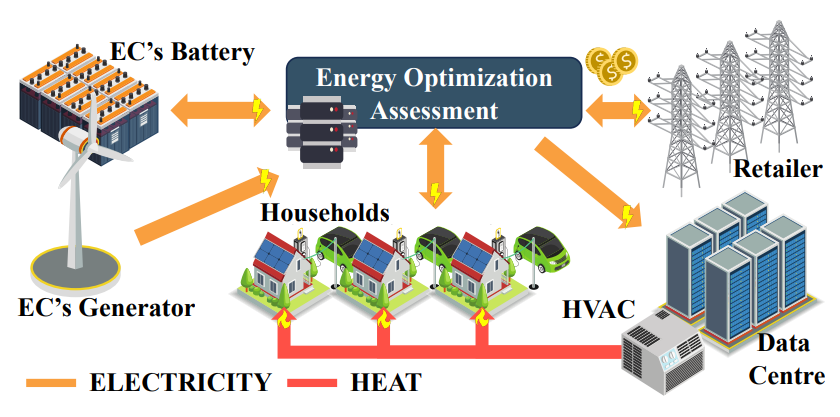 Exploiting Data Centres and Local Energy Communities Synergies for Market ParticipationIn 2024 IEEE PES Innovative Smart Grid Technologies Europe (ISGT EUROPE), 2024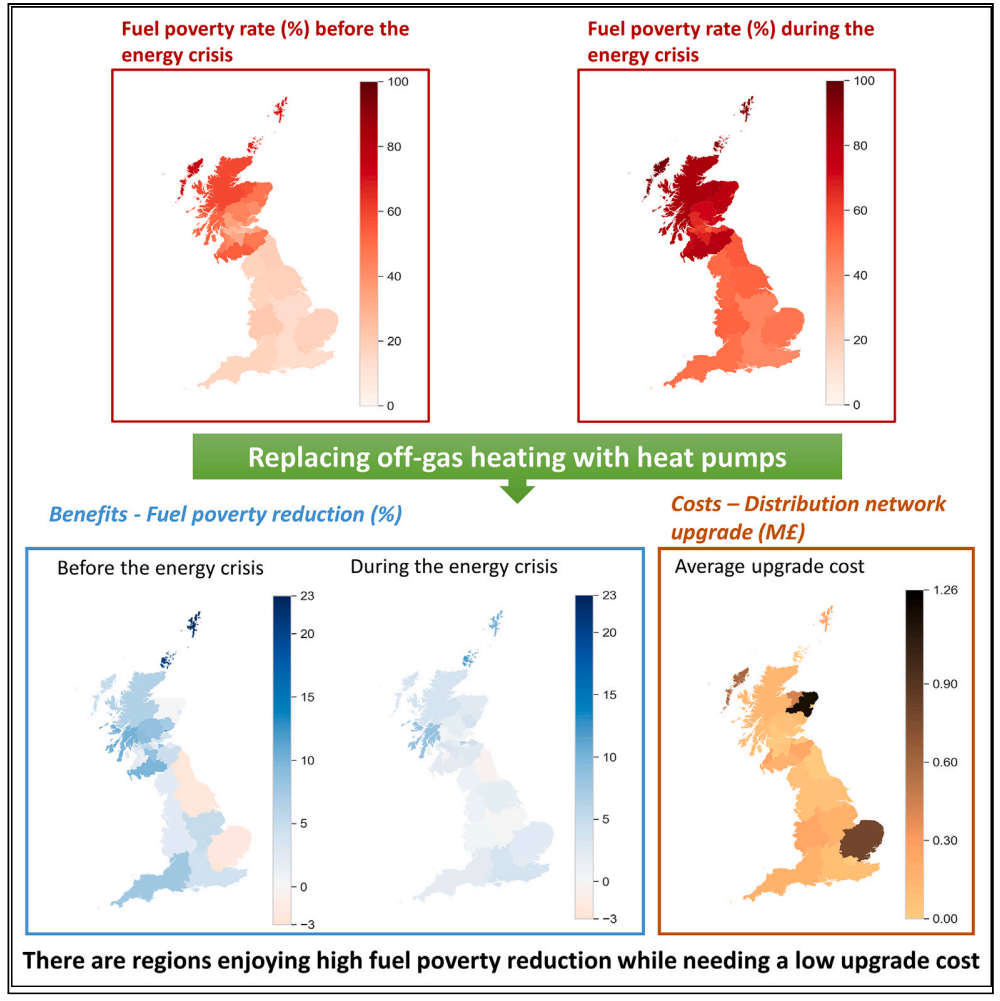
 Assessment of options for a smart, resilient and low-carbon multi-vector energy system in the Scottish BordersEnergyREV, UK, 2023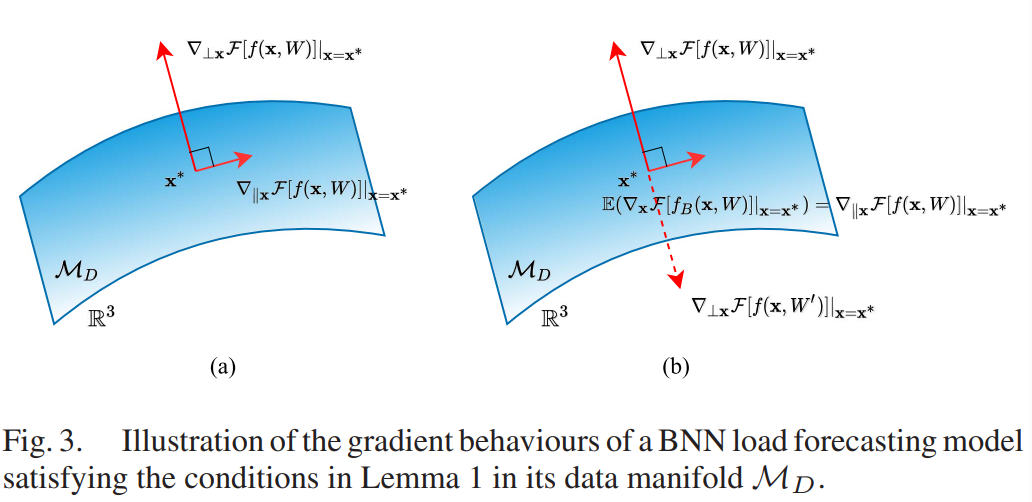
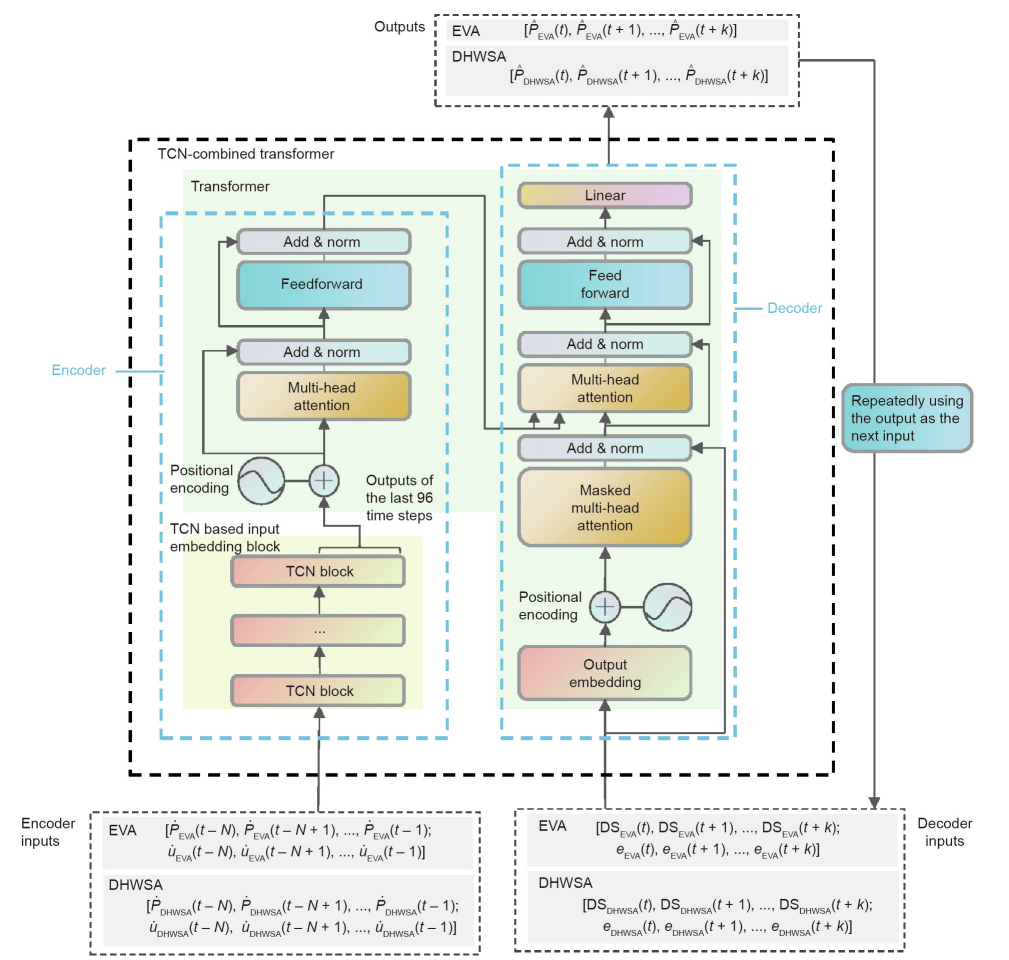 Flexibility prediction of aggregated electric vehicles and domestic hot water systems in smart gridsEngineering, 2021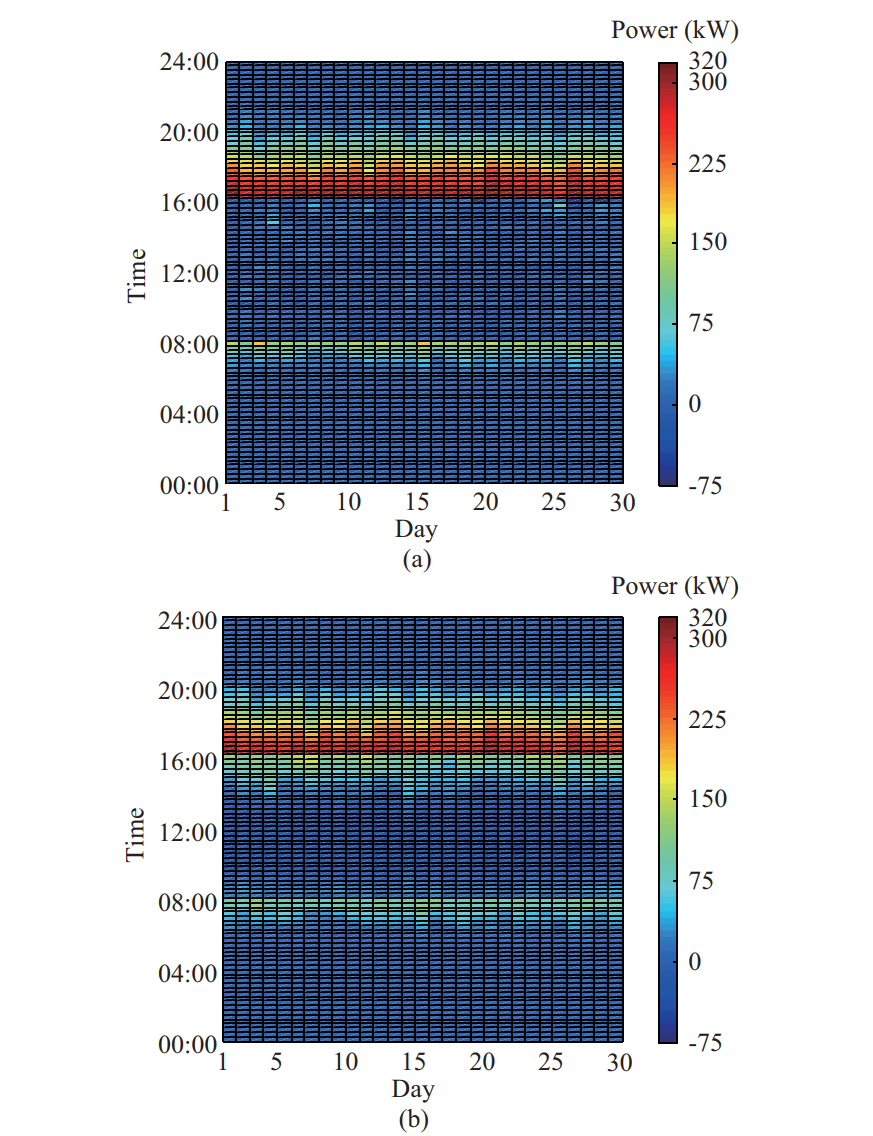
 Real-time Optimization Scheduling Strategy for Aggregated Electric Vehicles Supported by Artificial Intelligence TechnologyPower System Technology, 2020